AI in Dental Marketing and How to Use It
Artificial intelligence (AI) is quietly changing how dental practices attract, engage, and convert new patients. While it may feel like a new and unfamiliar space, AI is already shaping the way marketing is done, often behind the scenes. For dentists, the opportunity is not about replacing human connection. It is about working smarter. AI can […]
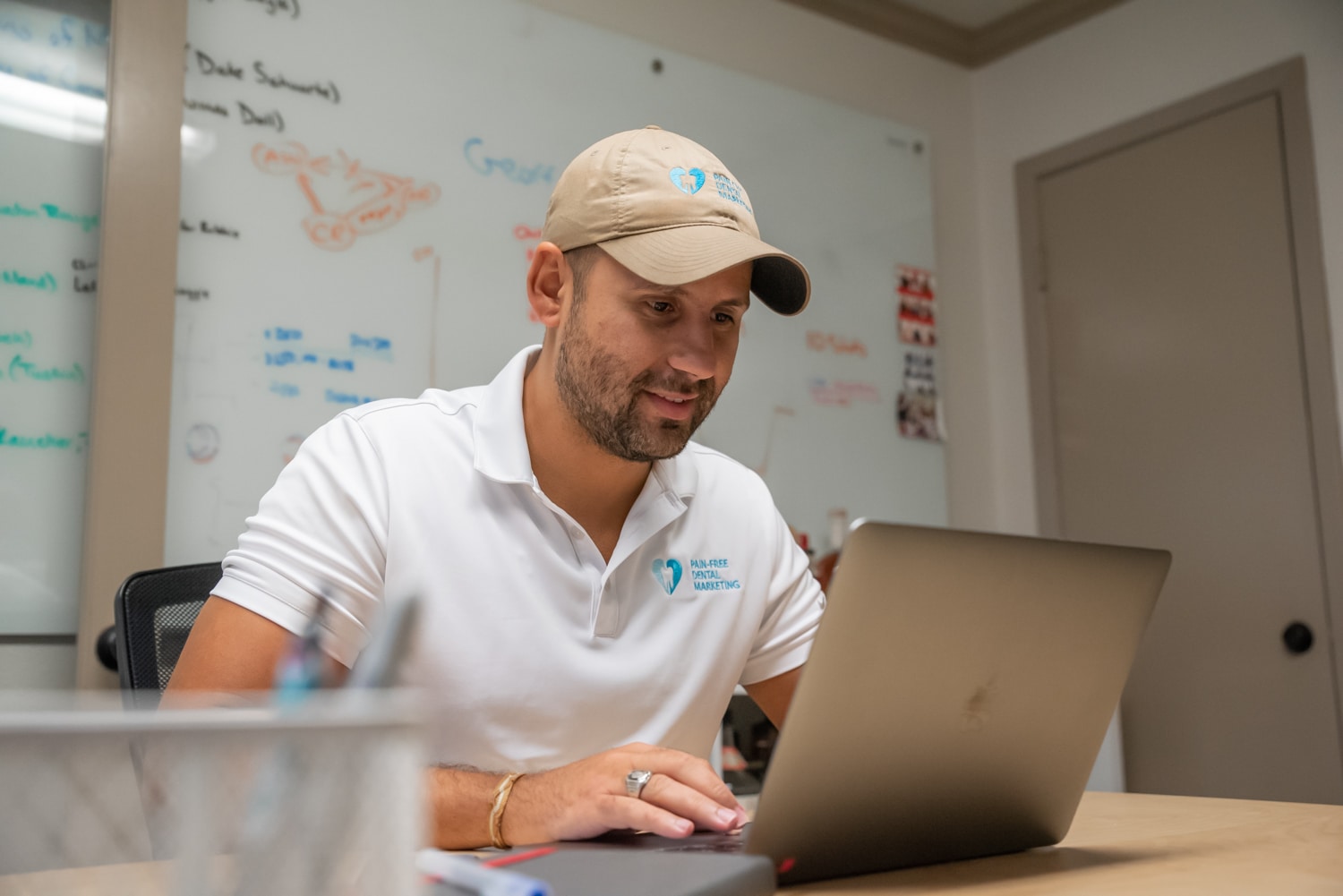
Artificial intelligence (AI) is quietly changing how dental practices attract, engage, and convert new patients. While it may feel like a new and unfamiliar space, AI is already shaping the way marketing is done, often behind the scenes.
For dentists, the opportunity is not about replacing human connection. It is about working smarter. AI can help reduce time spent on repetitive tasks, improve clarity in decision-making, and create more efficient systems that support long-term growth. Practices that learn how to use AI thoughtfully now will be better positioned for the future.
What matters most is understanding where AI fits and how to use it with intention.
Can AI Replace a Dental Marketing Team?
AI works best when it supports a clear strategy. While some agencies use it to quickly generate large volumes of generic content, that approach often misses the mark. Marketing that builds trust still requires planning, consistency, and a strong understanding of the patient experience.
AI should assist the process, not lead it. When combined with human insight, it can help refine messaging, improve efficiency, and uncover patterns that might otherwise be missed. Authenticity, brand clarity, and patient understanding remain the foundation of effective dental marketing.

How AI is Used in Dental Marketing
AI can support nearly every part of a dental marketing strategy, from visibility to communication. Its real value lies in helping practices automate tasks, analyze performance, and move faster without sacrificing quality.
Below are the key areas where AI is already making an impact.
Guided by StoryEO, Supported by AI
Search engine optimization (SEO) has evolved. While visibility on Google still matters, how patients search and how search engines evaluate content has changed. AI now plays a major role in how information is processed, understood, and delivered.
That shift is exactly why StoryEO works.
Instead of using AI to chase keywords or mass-produce content, we use it to support a more human, patient-focused approach to SEO. StoryEO is built on clarity, intention, and connection. AI strengthens that foundation by helping us understand patient behavior and shape content that speaks to real concerns.
How Can Dentists Use AI to Improve Their SEO?
AI and StoryEO work best together when each plays its role. AI provides insight, efficiency, and pattern recognition. StoryEO provides direction, meaning, and trust.
Rather than focusing on generic keyword phrases, AI helps identify the intent behind searches. We then use those insights to create content that explains your approach, values, and care philosophy in a way that resonates with patients and aligns with modern search systems.
This approach also supports Answer Engine Optimization. As AI-powered tools and voice search become more common, content needs to be clear, structured, and easy to interpret. StoryEO ensures your story can be accurately surfaced, summarized, and trusted by both people and AI.
Content Writing: Creating helpful, patient-friendly content takes time. AI supports this process by assisting with research, outlining, clarity checks, and readability improvements. Tools like Jasper AI, Copy.ai, ChatGPT, and Gemini help identify common patient questions, gaps in existing content, and opportunities to explain care more clearly. The final message is always guided by human insight. Content is reviewed and refined to ensure it reflects the practice’s voice, values, and patient experience. AI improves efficiency, while StoryEO ensures the content builds trust.
Responding To Reviews: Reviews are an important signal of credibility and engagement, and responding to them effectively can boost both. AI tools can help draft thoughtful responses and prompt follow-up requests, making it easier to respond consistently. AI-powered platforms like Reputation.com and Podium support this process by generating considered responses to both positive and negative reviews.
Human review remains essential. Responses should feel sincere and aligned with how the practice communicates in person. When handled well, reviews become an extension of your story and reinforce trust before a patient ever picks up the phone.
GBP Enhancements: Google’s AI tool, Gemini, has become increasingly integrated with the Google ecosystem. A new feature that Google has started testing allows users to ask Gemini to suggest improvements to the Google Business Profile. This helps to get the creative juices flowing if you don’t know where to start!

Supporting Social Media, Not Creating It
Social media gives potential patients a sense of who you are before they ever call your office. It builds familiarity, trust, and comfort. AI helps make social media more manageable by supporting planning, consistency, and performance insights.
AI tools can assist with scheduling, content ideas, and engagement analysis, helping practices maintain a steady presence without constant manual effort.
How Can a Dental Practice Use AI for Social Media?
Automated Content Scheduling: Platforms like Buffer and Hootsuite analyze engagement patterns and recommend posting times. This helps practices plan ahead and post consistently without needing to be online every day.
AI-Powered Social Listening: Understanding what people are saying about your practice and your industry helps guide better decisions. Tools like Brandwatch and Sprout Social monitor online conversations, patient feedback, and competitor performance so messaging can be refined over time.
Caption & Hashtag Generators: AI can help generate caption ideas and hashtag suggestions when inspiration runs low. AI-powered tools such as ChatGPT, Flick, and Canva generate engaging captions and suggest trending hashtags, making content creation easier and more effective. These tools work best as a starting point. The final message should always feel personal and aligned with the practice’s voice.

Improving Paid Advertising, With AI
Paid advertising can be especially helpful for practices looking to grow quickly or introduce new services. AI now plays a major role in how ads are placed, optimized, and refined. AI-driven platforms analyze performance in real time, helping ensure budgets are spent more effectively and ads reach the right audience.
How is AI Used in Google and Facebook Ads?
Automated Bidding Strategies: Utilize Google’s Performance Max campaigns to allow AI to optimize ad placements across multiple Google platforms, including Search, Display, YouTube, and Maps. AI-driven bidding models, such as Google Ads Smart Bidding, also use real-time data to adjust bids automatically based on the likelihood of conversion. This means your ad spend is allocated where it’s most effective, whether search, display, or video ads.
AI-Generated Ad Copy: Writing high-performing ad copy can be time-consuming, but tools like ChatGPT, Adzooma, and Copy.ai analyze audience behavior and create variations of ad copy. These drafts still require direction and refinement to ensure they reflect the practice and speak clearly to patient concerns.
Predictive Analytics & Audience Targeting: AI analyzes patient demographics, browsing behaviors, and past interactions to predict which ads will perform best. Platforms like Facebook’s AI-powered Lookalike Audiences use data-driven insights to refine targeting and find new potential patients similar to your existing audience.
A/B Testing & Performance Adjustments: AI can continuously test ad creatives, headlines, and calls to action to determine which versions generate the most conversions. AI-powered platforms like Optmyzr and Revealbot automate these optimizations, allowing ads to adapt dynamically.
Capture leads with AI bots: AI-powered chat tools can respond immediately to inquiries and help schedule appointments, improving response time and conversion potential.

AI Shouldn’t Replace Organic Creatives
Creative design and video production shapes how your practice is perceived online. AI has made design and video production more accessible, allowing practices to create professional-looking materials more efficiently. AI supports creative workflows by reducing editing time and simplifying production, especially for video and social media assets.
How Can AI Help with Design and Video Marketing?
Graphic Design & Branding: AI-powered tools like Canva AI, Adobe Firefly, and Fotor can help generate templates, graphics, and branded visuals quickly, supporting consistency across platforms.
AI-Powered Video Editing: Tools such as Runway ML, Descript, and Adobe Premiere Pro AI features allow for a reduction in time spent on trimming, captioning, and audio cleanup. While content still needs to be captured intentionally, the editing process is now far more efficient.
Automated Image Editing & Enhancement: AI platforms like Remove.bg and Let’s Enhance improve image quality, remove backgrounds, generate captions, and add subtitles, helping content look polished and accessible.
Text-to-Video Content Creation: AI-driven platforms like Lumen5 and Synthesia transform written blog content into engaging explainer videos, saving time on manual video creation.
AI Voiceovers & Transcriptions: AI voice generators like Speechelo and Murf.ai create professional-quality voiceovers for promotional and educational videos, while AI transcription tools help generate subtitles for better accessibility.

Call Analysis Powered By AI
Phone calls are one of the most important conversion points in dental marketing. They often represent the first direct interaction a potential patient has with your practice. Understanding what happens during these conversations is essential to improving patient acquisition and long-term growth. AI-powered call analysis tools help dental practices track call quality, measure team performance, and identify missed opportunities. When paired with human review, these tools provide clear insight into how patient conversations are handled.
How Can AI Analyse Phone Calls?
When you invest in marketing, you need to know whether it is generating new patient calls. Call tracking platforms allow practices to record and organize incoming calls so performance can be measured accurately. Our dental marketing agency uses CallRail as its preferred platform to record, track, and analyze calls generated by marketing efforts. Currently, we have a team that listens to each call generated, and tags are applied to help our clients understand the type of calls the office is getting and whether the team is converting new patient calls. While AI cannot fully interpret calls on its own, it supports the process by highlighting patterns and surfacing useful data.
AI-Powered Sentiment Analysis: Platforms like CallRail assess call recordings to identify tone and sentiment, helping teams understand where conversations are effective and where adjustments may be needed.
Automated Call Transcriptions & Keyword Recognition: AI transcription tools convert calls into text, making it easier to identify common questions, themes, and concerns. These insights can be used to improve front desk training, website messaging, and follow-up communication.
Missed Call & Follow-Up Automation: AI-powered systems detect missed calls and trigger follow-up messages or reminders, helping reduce lost opportunities and support both new patient acquisition and retention.
Putting AI to Work Thoughtfully
AI has the potential to strengthen every part of dental marketing, from visibility and content creation to advertising and patient communication. Its real value lies in supporting smarter systems, clearer insights, and more efficient workflows.
What AI cannot replace is trust. Strategy, brand clarity, and human connection remain essential. When used thoughtfully, AI becomes a powerful support tool that helps practices stay focused on what matters most: caring for patients and building meaningful relationships.
The practices that succeed will be the ones that balance technology with intention and efficiency with empathy.