The UK Called It. Will US Dental Practices Listen?
While the US and UK dental systems aren’t identical, the similarities in the pressures are heading in the same direction.
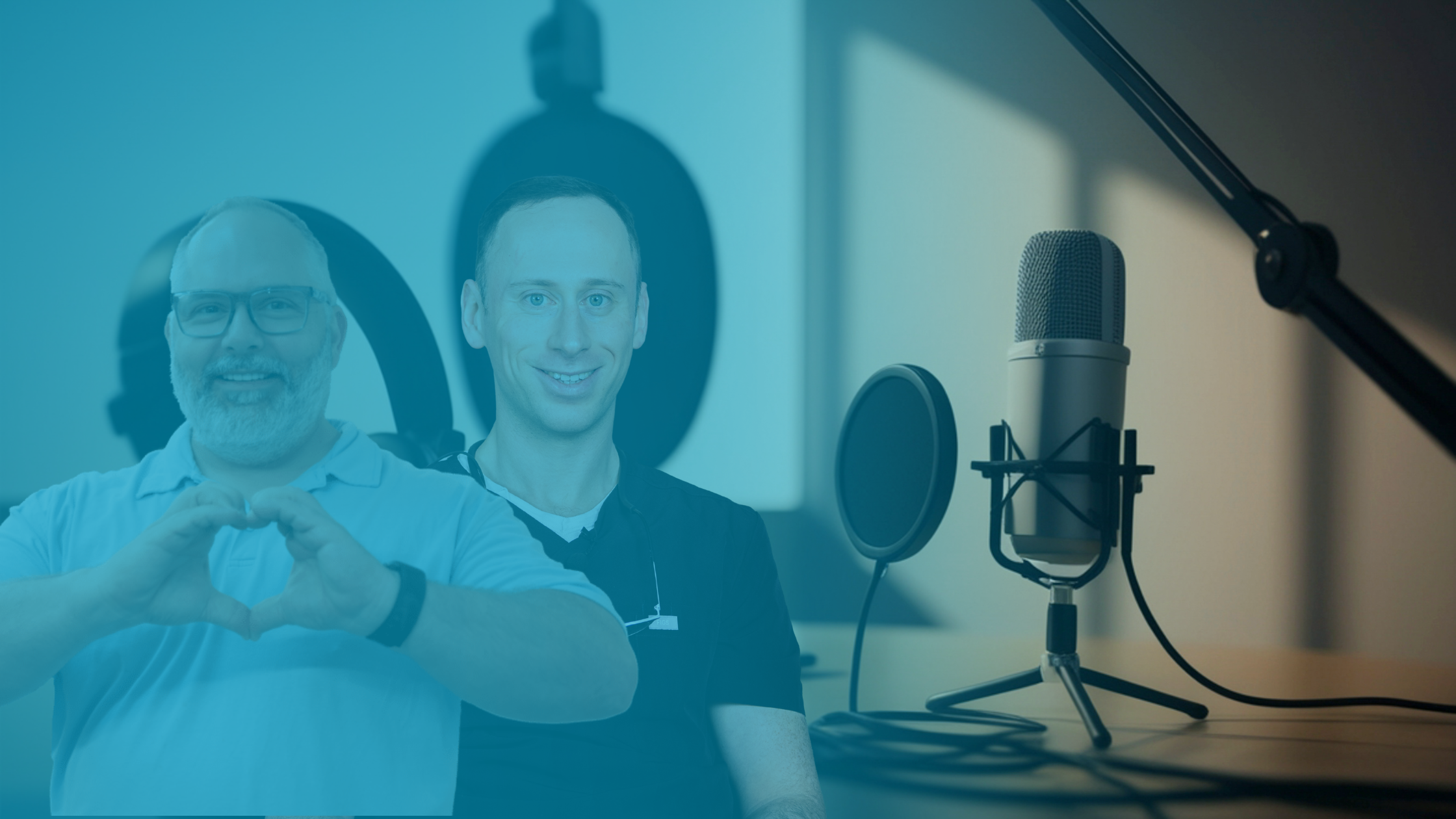
There’s a dentist in Manchester named Dr. Haffner. He works across two practices: one NHS, one fully private. He came up entirely inside a system that was already straining at the seams, and he’s spent the last few years watching what happens when the economics of dentistry stop working in a clinician’s favor.
While the US and UK dental systems aren’t identical, the similarities in the pressures are heading in the same direction. Shrinking margins, patients pushing back on cost, insurance squeezing production from one side while overhead climbs from the other. The difference is that the UK is further down that road.
Which means if you want to know what’s coming, you could do a lot worse than listening to someone who’s already living it.
What “NHS Pressure” Actually Feels Like
When US dentists hear “NHS pressure,” it sounds abstract. A government thing that’s far away. However, the reality is that it hits closer to home than they realize.
Think about what it would mean if your reimbursement rate for a molar root canal was almost identical to what you got for pulling the tooth. One procedure takes five minutes. The other takes two hours across multiple appointments, costs real money in materials, and requires serious clinical focus.
This is what NHS dentistry has been doing to UK clinicians for years, and it’s not that different from what insurance negotiations do to US practice owners today. You do the right thing, of course, because you’re a good clinician. But the system isn’t built to reward that. And over time, that kind of pressure does something to you.
“It’s hard to practice ethical dentistry on the NHS,” Dr. Haffner told us.
And this pressure filters through to everyone in the practice. When dental care is free or close to it, patient entitlement follows. The ones who pay less often end up being the most demanding. That’s not a UK problem, it’s human nature, and anyone who’s spent time managing a busy front desk already knows exactly what that looks like.
Why Practices Don’t Just Make The Switch to Private
Here’s what you’d think would happen: dentists look at the economics, assess their stress levels, and move toward a private practice. It means more control, better margins, and patients who actually value the work, right?
Here’s what actually happens: they don’t. Because in the UK, the NHS means cheeks in seats. It means patients who show up, even if they don’t necessarily value the work you do the way they should.
If you go fully private, that guarantee suddenly disappears. You’ll be left with the skills, the equipment, the drive, but the patient knocking on your door will be significantly less, and that’s a terrifying place to be for a practice owner with overhead, staff, and a mortgage.
US practice owners know this version of the fear. It’s why so many stay in-network longer than they want to. Going out-of-network, or even just leaning harder into private pay, means betting on your ability to attract and keep patients without a system doing it for you.
The Mistake That’s Sinking Private in the UK (And the US)
The practices that get it usually do something predictable. They renovate their practice, they look for ways to make care appealing and comfortable for patients with Netflix in the consultation rooms, massage chairs in the waiting room, and more.
Then they talk to patients exactly the same way they always did.
Dr. Haffner works at a practice that went through this, and he saw two distinctly different patients enter after. The ones who feel pampered and love the changes. And the ones who look around and think, “this is why they’re charging me so much”.
This is a trap US practices fall into, too. New everything, but the front desk script stays the same, the consult is the same, and the treatment plan (and the cost) is shared with the same apologetic tone. Aesthetic changes without changes to how you communicate with patients don’t build a successful private practice; it just gives patients something expensive to resent.
It’s 90% Communication 10% Skill
Early in Dr. Haffner’s career, someone told him that patients have no idea whether you’re a good dentist or a bad dentist. They don’t have the clinical knowledge to judge. However, what they do know is whether you’re a good person and whether you made them feel cared for.
So being a successful dentist is probably 90% communication and 10% clinical skill.
That’s not a knock on clinical excellence, it’s a clarification of what actually drives case acceptance, retention, and referrals. You can be the best clinician in your zip code, but if patients leave the appointment feeling processed rather than cared for, they won’t come back, and they definitely won’t say yes to your suggested treatment plan.
The practices winning in private (on both sides of the Atlantic) are the ones that can explain, clearly and confidently, why what they do is worth it. They make patients feel informed, respected, and genuinely looked after.
What US Dentists Are About To Learn The Hard Way
The pressure US practice owners feel today is pushing in one direction: cut prices to stay competitive. Accept less. Keep the chairs filled. Dr. Haffner has seen where that road goes, and the race to the bottom is a very short one, and there are no winners.
When you undercut your prices to compete, you don’t just earn less. You communicate less value. You attract the patients most likely to push back, no-show, and leave the moment they find someone cheaper. And you lose the margin you need to actually deliver the kind of experience that makes private care worth it to anyone.
US dentists still have time to build something different. But it starts with the conversation in the room, not the chair in the waiting room. Fix how you communicate the value of what you do, and the private growth problem becomes a lot more solvable. Let it slide, and you’ll spend a lot of money on marketing to fill chairs that still don’t produce.
The UK learned that the hard way, but don’t have to. And, if you’re interested in a helping hand with this transition, we’re a call away.
Let’s Talk